

03 Nov
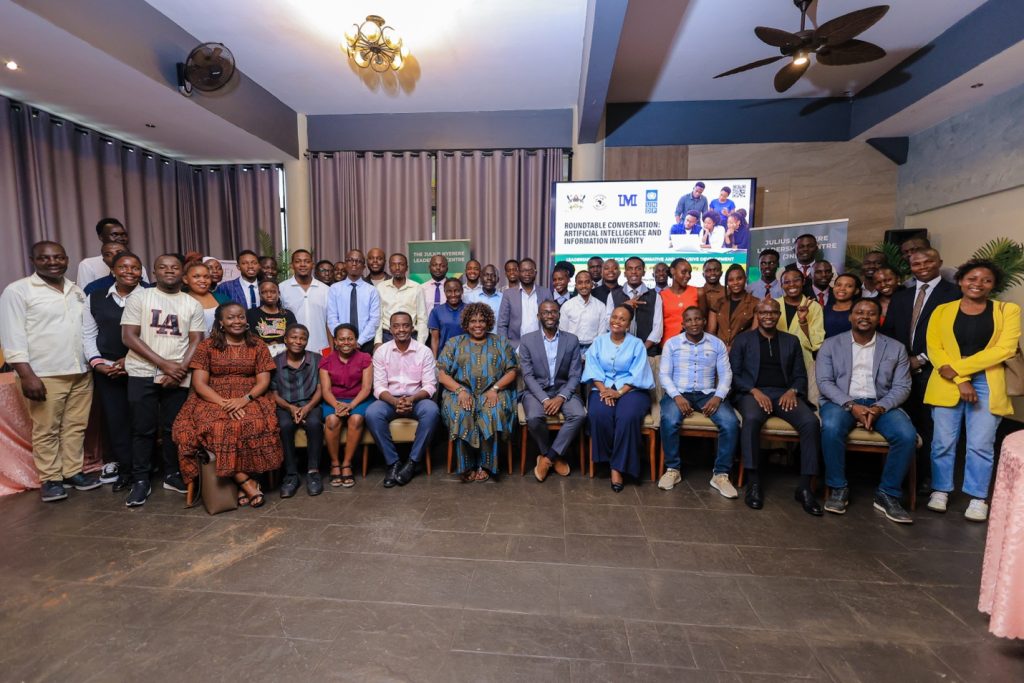
The Julius Nyerere Leadership Centre (JNLC), with support from the United Nations Development Programme (UNDP), convened a Round Table Conversation on Artificial Intelligence (AI) and Strategic Leadership on Thursday, 29 October 2026, at Fairway Hotel, Kampala, Uganda.
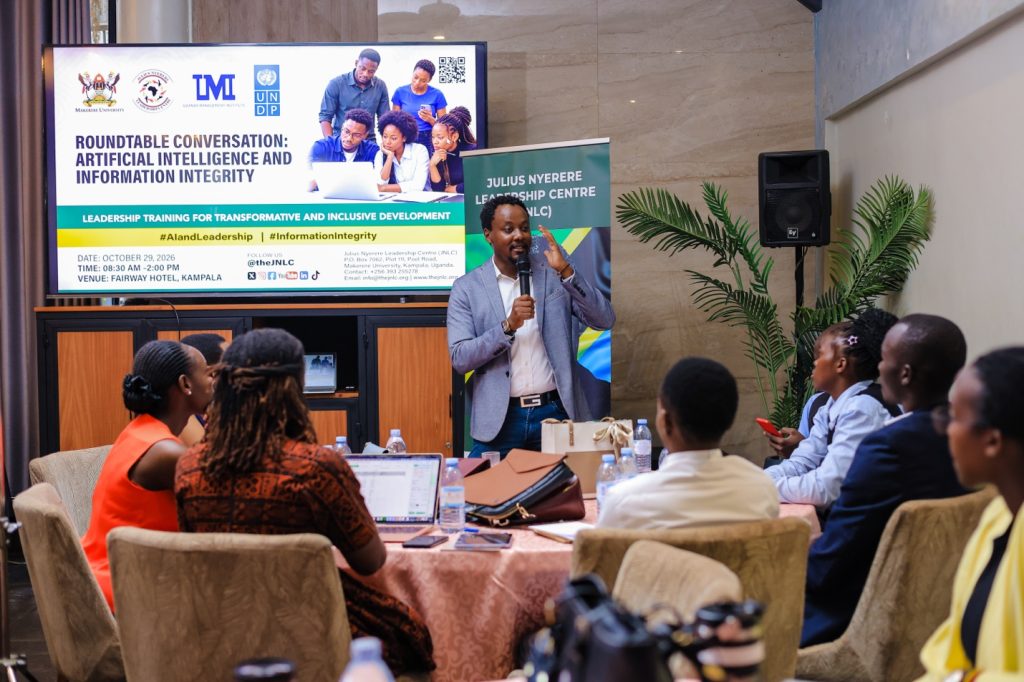
The conversation brought together participants including 43 young leaders and 13 guests and speakers to reflect on the growing influence of artificial intelligence on information management, decision-making and effective leadership. It provided a platform to engage with AI experts to understand how AI is increasingly shaping how people learn, work, communicate and make decisions. It provided an opportunity to explore how leaders could harness emerging technologies responsibly while addressing the associated ethical, governance and information-integrity challenges.
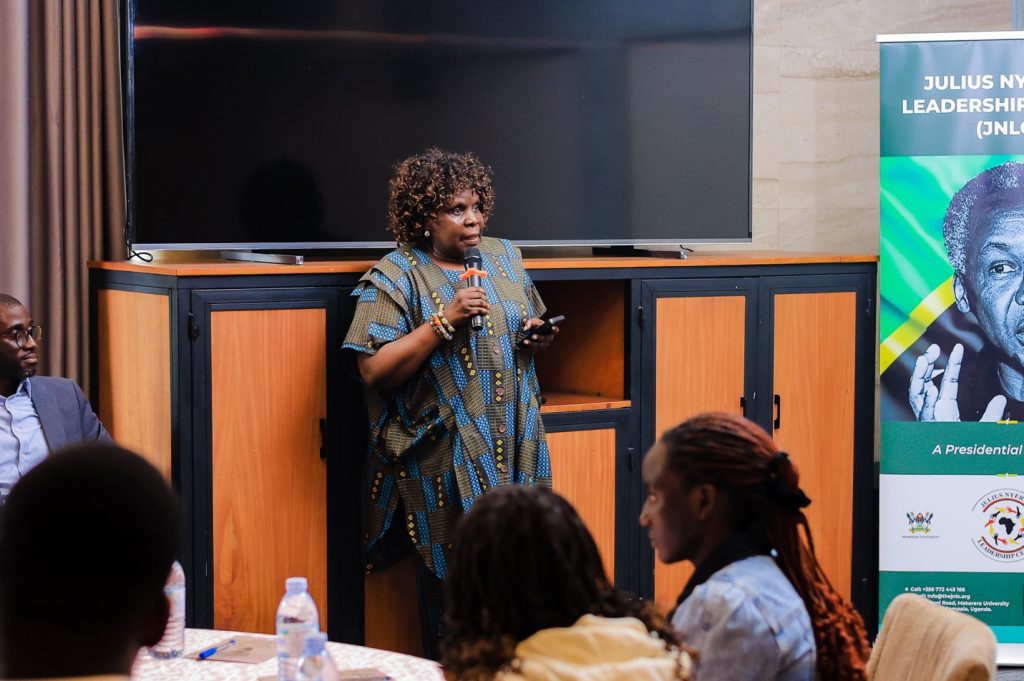
Dr. Nansozi Muwanga, Executive Director, Julius Nyerere Leadership Centre (JNLC)
In her welcome remarks, Dr. Nansozi Muwanga, Executive Director, Julius Nyerere Leadership Centre (JNLC) emphasized the importance of engaging in conversations on Artificial Intelligence (AI), particularly in relation to leadership, decision-making and the responsible use of technology. She observed that AI had become a subject of widespread discussion and that it was increasingly being used to undertake various tasks, including summarizing information and supporting academic work. She, however, stressed the need to understand how AI could be harnessed positively, including developing effective prompting skills and appreciating its capabilities, limitations and risks.
She highlighted the growing concerns surrounding AI’s ability to retain information and memory, noting that users needed to understand how such capabilities worked, and the implications for personal information and privacy. She encouraged participants to use the conversation as an opportunity to acquire knowledge and develop a better understanding of AI.
Dr. Nansozi Muwanga further underscored the relevance of the discussion to the mandate of the Julius Nyerere Leadership Centre (JNLC), which is committed to nurturing ethical and responsible leaders who demonstrate integrity and responsibility. She noted that emerging technologies such as AI presented both opportunities and challenges that required deliberate engagement, particularly in determining how they could be integrated into leadership development initiatives while upholding ethical standards and integrity. She identified misinformation as one of the significant challenges facing leaders, explaining that access to inaccurate or misleading information could result in poor decision-making, fuel divisions and create tensions within communities. She therefore emphasized the importance of information integrity and the ability of leaders to critically use information to develop initiatives, create opportunities and contribute positively to their communities.
Dr. Muwanga expressed hope that the half-day engagement would equip participants with practical knowledge and insights on the responsible application of AI in leadership and decision-making. She encouraged participants who had not yet participated in the Centre’s leadership development programmes to consider joining, noting that the conversation formed part of the Centre’s broader initiatives aimed at nurturing young and responsible leaders.
She extended appreciation to the United Nations Development Programme (UNDP) for its continued partnership and support, particularly towards the Centre’s leadership training programmes and the organisation of the AI conversation. She acknowledged UNDP’s willingness to support the initiative, which had enabled the Centre to bring together a panel of experts to facilitate meaningful discussions.
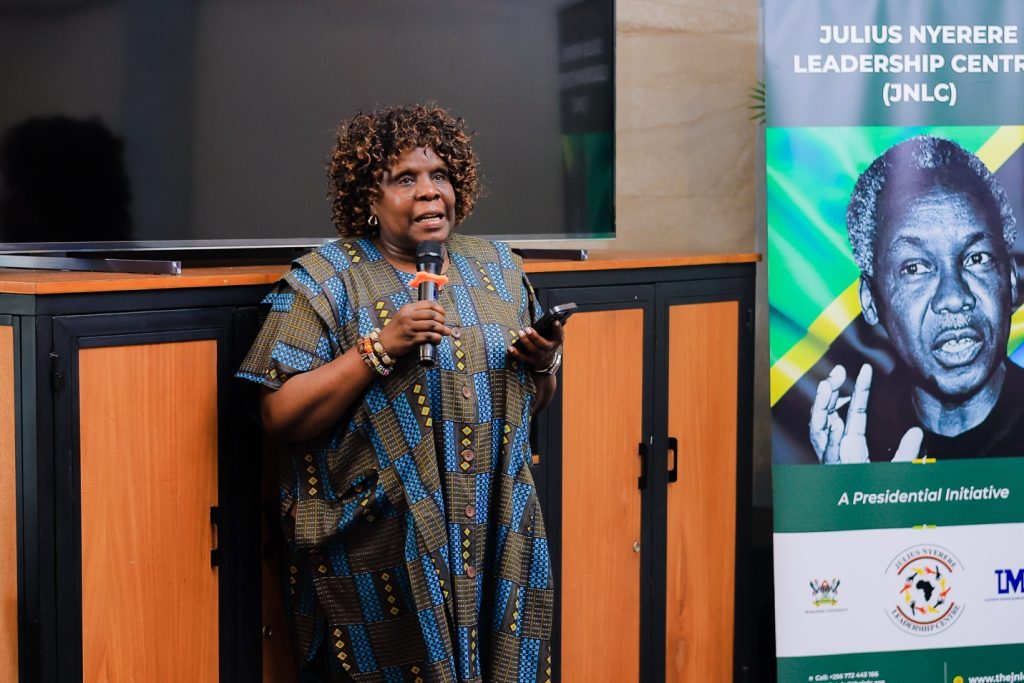
She concluded her remarks by thanking participants for making time to attend the engagement and expressed hope that the discussions would leave them better informed and equipped to integrate AI into their decision-making processes. She encouraged participants to become more intentional in how they access, interpret and use information, rather than relying excessively on their phones or AI tools. She wished participants fruitful deliberations and a productive engagement.
Panel session one: AI and the Changing Nature of Leadership

The panel discussion, moderated by Mr. Andrew Jombwe, featured Dr. Irene Esther Mutuzo Sevume, Lecturer and Digital Psychologist at Makerere University, and Mr. Sunday Crispus, a digital expert from Winta Digital Solutions. The discussion explored how artificial intelligence (AI) is transforming leadership, professional practice, communication, employment and society, with particular emphasis on ethical and responsible use.
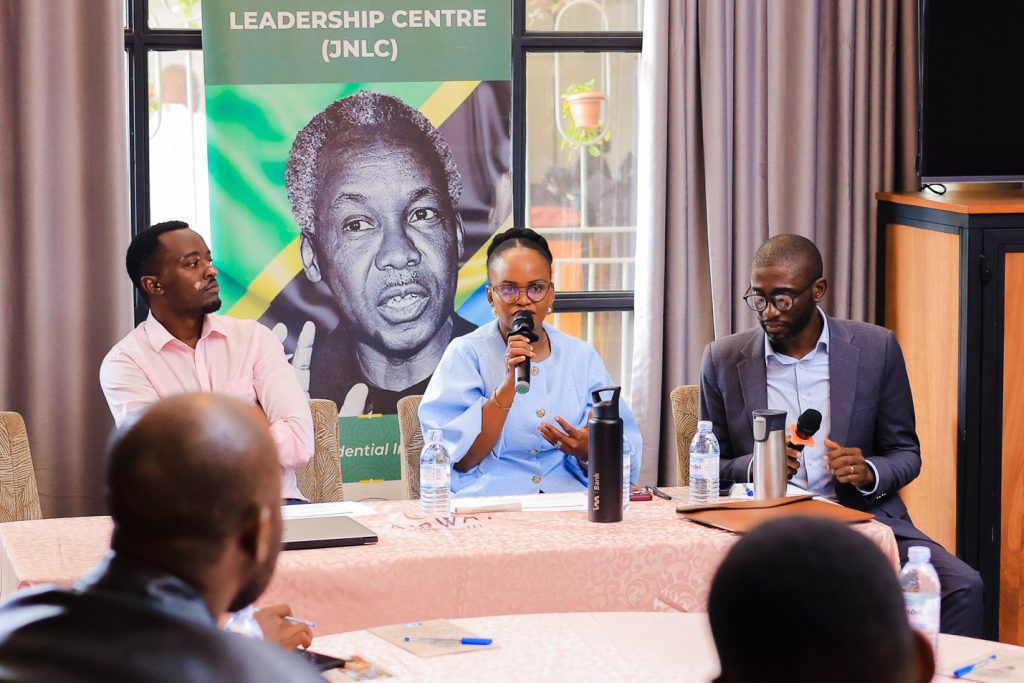
Dr. Mutuzo highlighted the potential of AI to strengthen strategic leadership through policy development, communication, data analysis and informed decision-making. She encouraged leaders to go beyond using AI to generate documents and instead use it to critique policies, assess stakeholder perceptions and analyse feedback before implementing decisions. However, she cautioned against uncritical optimism, emphasizing the risks of deep fakes, misinformation, disinformation and unethical use of AI in political and public communication.
On the relationship between AI and human capabilities, Dr. Mutuzo stressed that technology should complement rather than replace human beings. She observed that empathy, emotional intelligence, personal engagement and contextual understanding remain essential leadership qualities that AI cannot fully replicate. She also cautioned that excessive dependence on AI could weaken critical thinking, creativity and individual confidence.

Mr. Crispus discussed the changing nature of employment and professional relevance in the digital age. Drawing from his experience in architecture and digital content creation, he observed that AI is transforming industries and creating opportunities while disrupting traditional professional roles. He encouraged individuals to continuously acquire new skills and learn how to guide AI outputs using their professional knowledge and creativity. He also emphasized the importance of ethical content creation and responsible information sharing.
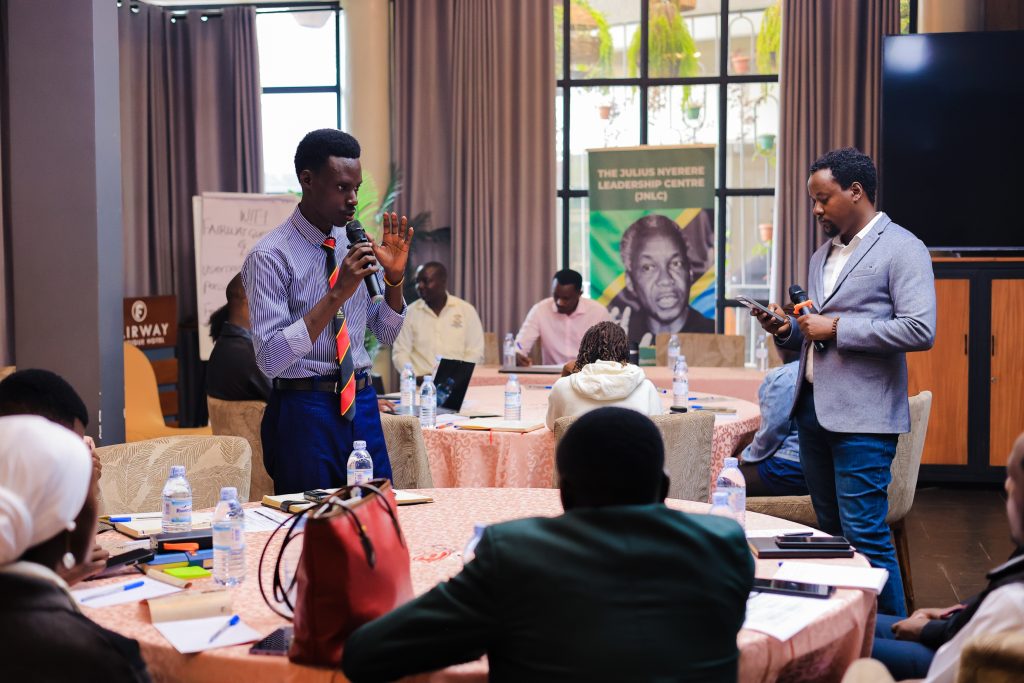
Participant’s reflection and the Panel’s Feedback
Audience contributions focused on the regulation of AI-generated misinformation, the importance of verifying information before sharing it, privacy concerns when using AI, and the potential impact of AI on employment, particularly in the informal sector. Participants also sought guidance on using AI to improve communication skills and professional performance.
In response, the panel emphasized the need for digital literacy, responsible AI use, data protection, continuous professional development and stronger institutional capacity. The moderator highlighted the importance of government policies and initiatives to expand access to emerging technologies, including applications that support local-language communication and access to information. The discussion also underscored the need to translate national AI strategies into practical interventions that benefit ordinary citizens.

Key Messages from Group Breakout Sessions: Participants Reflections on AI, Employment and Personal Responsibility
On a count of 1-3, participants were divided into three groups with each group attached to a panelist and JNLC training facilitator.
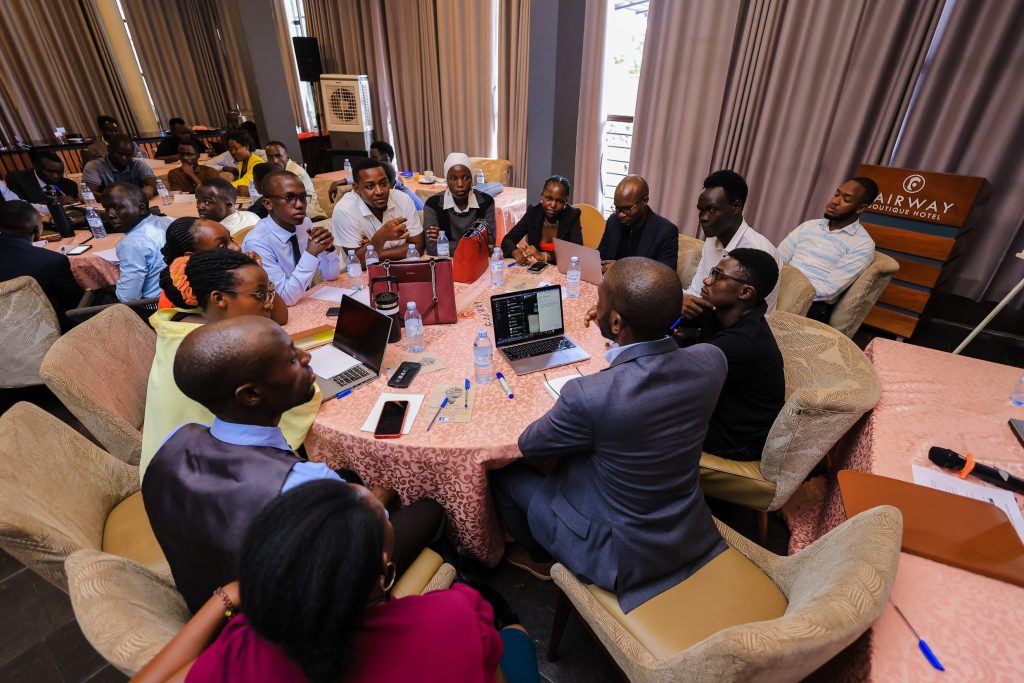
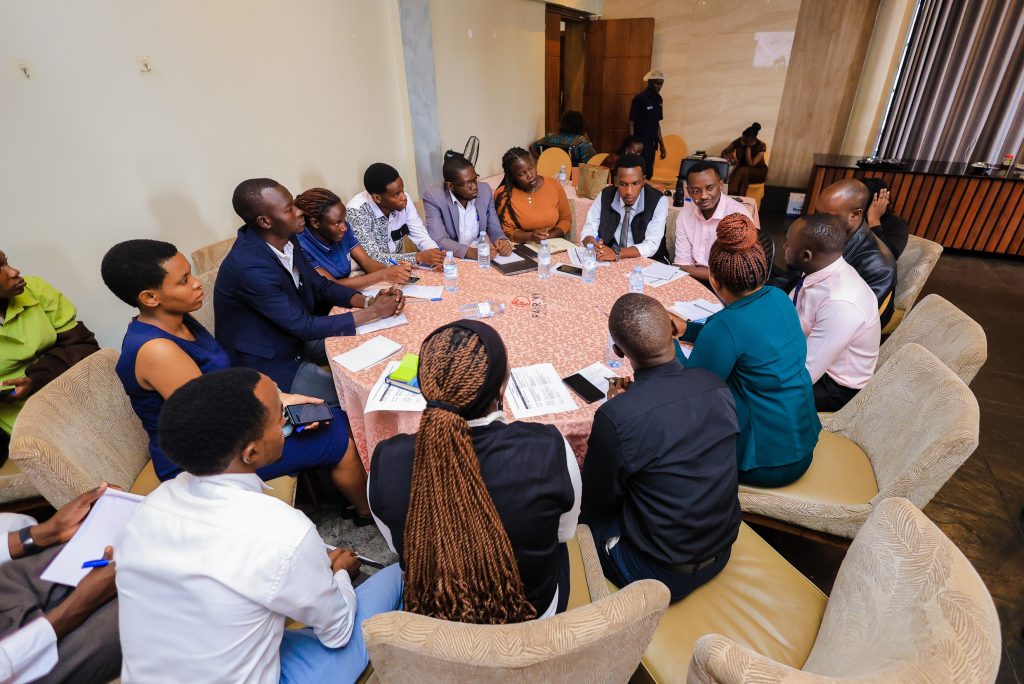

A participant challenged members to confront the realities of AI-driven employment disruption. He observed that organizations are likely to adopt AI where it improves efficiency and reduces operational costs, potentially affecting jobs that can be automated. He therefore encouraged individuals to assess the future relevance of their professions honestly and continuously acquire skills that distinguish them in the workplace.Dr. Irene Esther Mutuzo Sevume shared findings from a group discussion on the opportunities and challenges of using Artificial Intelligence (AI) in academic assessment. She highlighted the potential of AI to improve the efficiency and objectivity of assessment, particularly by reducing the time lecturers spend marking large volumes of students’ work. However, she raised concerns about fairness when assessing AI-generated work alongside human-generated work. She also emphasized that traditional assessment approaches must evolve to place greater emphasis on critical thinking, creativity, problem-solving and students’ ability to use AI effectively.
Dr. Mutuzo further stressed the importance of adopting a systems-thinking approach to AI integration in education. Universities must consider the availability of infrastructure, internet connectivity, staff training, financial implications and institutional readiness. She called for clear institutional policies, effective communication of data protection requirements, appropriate monitoring mechanisms and continued human oversight of AI-generated assessment results. She emphasized that students’ academic records and assessment information must be protected.
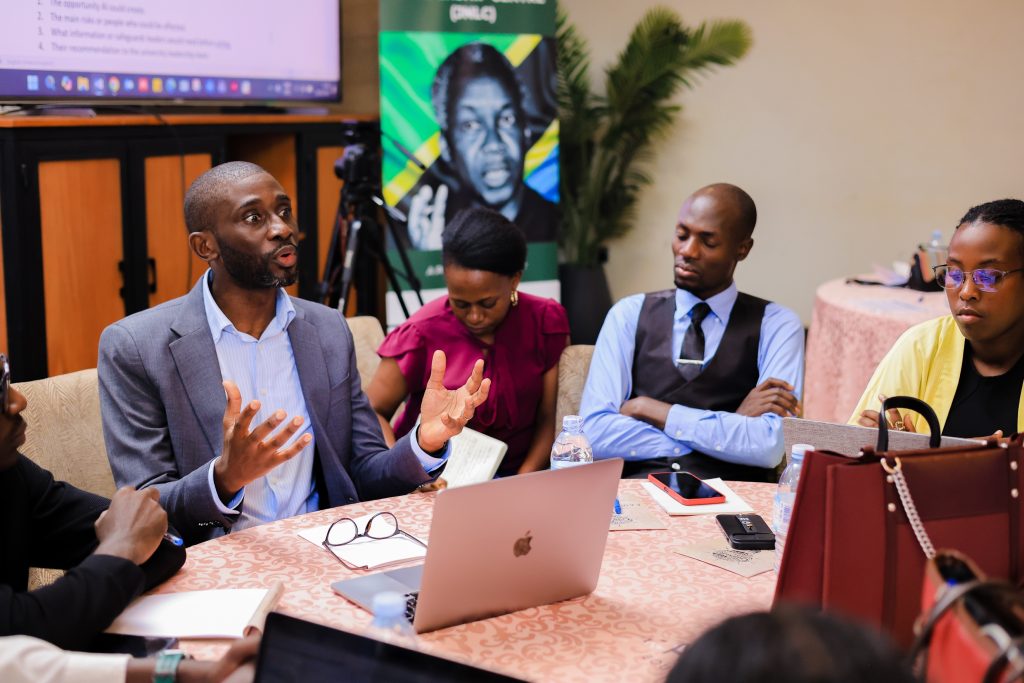

Participant’s reflection generally emphasized personal responsibility and ethical conduct in AI use, arguing that integrity begins with individual choices in academic and professional environments. He cautioned against allowing AI to weaken independent thinking, particularly among young people, and encouraged participants to use emerging technologies productively rather than becoming passive consumers of digital content.
Mr. Andrew Jombwe encouraged participants to view technological change as part of a continuing human experience, drawing parallels between current concerns about AI and earlier fears surrounding industrialization and the displacement of workers.
He challenged participants to invest in four dimensions of human development as a foundation for remaining relevant in an increasingly technology-driven world:
- Mind – Intellectual Intelligence: Strengthening critical thinking, learning, reading, analysis and problem-solving abilities.
- Body – Physical Well-being: Maintaining good health and physical fitness to translate ideas and intentions into meaningful action.
- Soul – Emotional Intelligence: Developing empathy, relationships and the ability to connect meaningfully with other people.
- Spirit – Purpose and Meaning: Identifying personal values, purpose and motivation that give direction to life and work.
Mr. Andrew Jombwe emphasized that although technology will continue to evolve, human beings must preserve the qualities that enable them to think, relate, create and contribute meaningfully to society.
Panel Session two: The future of Professional Relevance and the role of Emotional Intelligence in the changing employment landscape
The panel session explored the relationship between technical competence, emotional intelligence and professional relevance in an increasingly AI-driven world.
Mr. Jombwe emphasized the importance of being fit for purpose when choosing and applying AI tools. He explained that different situations require different capabilities: intellectual intelligence (IQ) supports technical competence and problem-solving, while emotional intelligence enables individuals to build relationships, communicate effectively and connect with others. Using a recruitment interview as an example, he observed that where candidates possess similar academic qualifications and technical skills, emotional intelligence and interpersonal connection might distinguish the successful candidate.
He also introduced the concept of vibe coding, explaining how AI tools enable individuals to develop software applications and websites through instructions without necessarily writing every line of code. He noted that combining foundational technical knowledge with AI tools could improve productivity and create new opportunities for professionals, particularly software developers.
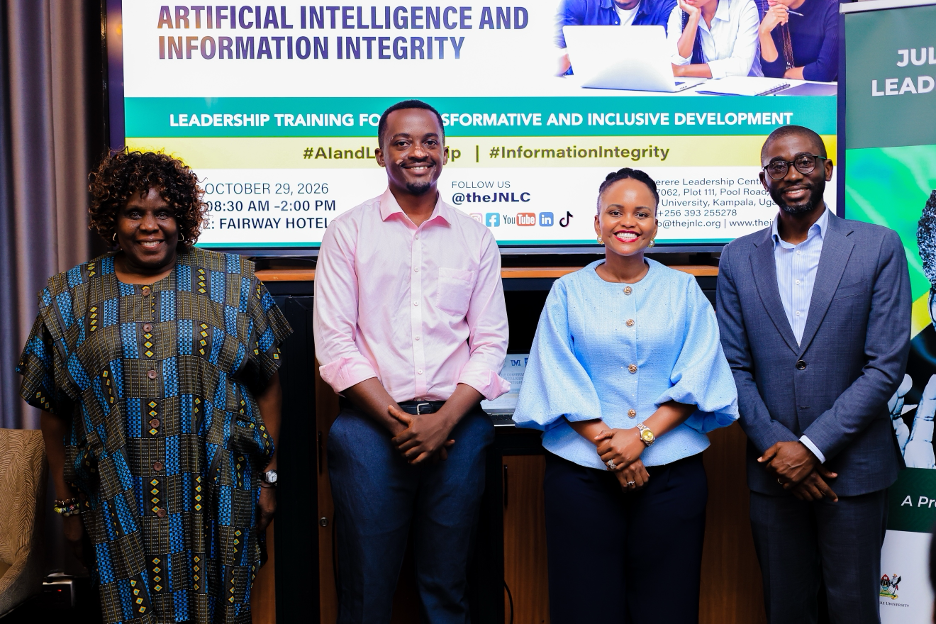
Dr. Muwanga, Mr. Sunday Crispus, Dr. Irene Esther Mutuzo Sevume and Mr. Andrew Jombwe.
On the changing employment landscape, Dr. Irene Esther Mutuzo Sevume, Assistant Lecturer and Digital Psychologist at Makerere University, highlighted the growing disruption of the technology and software industries, noting that some professionals are already experiencing job losses and uncertainty due to AI adoption. She challenged participants to identify what makes them unique beyond the capabilities of AI. She emphasized that critical thinking, innovation, creativity, communication and interpersonal skills will become increasingly important as AI tools become widely accessible. She also cautioned against assuming that all careers will be equally affected by automation, encouraging participants to recognize opportunities in practical and technical trades such as plumbing, tailoring and hairdressing.
Dr. Mutuzo further clarified that effective use of AI does not require everyone to become a programmer rather, the ability to ask clear and relevant questions is fundamental. She encouraged participants to strengthen their prompting skills by using the five guiding questions: what, where, when, why and how, while taking advantage of available learning resources, including online courses, podcasts and educational platforms.
The panel discussion concluded that the future of strategic leadership will require more than technological competence. It will demand leaders who can combine AI capabilities with sound judgement, creativity, emotional intelligence and ethical responsibility. Dr. Mutuzo challenged participants to strengthen their creativity, problem-solving and innovation skills, while Mr. Crispus encouraged continuous learning and human oversight in the use of AI.
On the other hand, Mr. Jombwe cautioned against excessive dependence on digital technologies, urging participants to use AI purposefully to create value for themselves, their institutions and their communities. Participants were encouraged to identify at least two lessons from the discussion and translate them into practical action.
A participant from the audience reinforced the importance of combining foundational professional knowledge with AI capabilities, arguing that people who understand how systems work are better positioned to adapt and take advantage of technological change. The contributor also stressed that emotional intelligence; active listening and effective communication remain essential qualities for personal and professional success.
Conclusion
In the closing session, the moderator and organizers emphasized that AI is a powerful innovation, but its value ultimately depends on the people who develop, direct and use it. Participants were encouraged to embrace continuous learning, adaptability and personal responsibility. The overarching message was that technological relevance requires both competence in using AI and the human qualities that distinguish individuals in an increasingly automated world. The closing remarks highlighted the importance of the key takeaways of the conversation:
- Continuous learning: Individuals should commit to learning, unlearning and relearning to remain relevant. There is a need of continuously upgrading ones skills.
- Human-centered leadership: Emotional intelligence, empathy and effective communication remain essential despite technological advancement.
- Professional adaptability: Individuals should assess changing career demands and develop complementary skills.
- Critical thinking: AI outputs should always be reviewed, verified and adopted rather than accepted without scrutiny.
- Ethical responsibility: Leaders and citizens must promote integrity and accountability in the creation and sharing of AI-generated content.
- Practical application: Knowledge acquired through training and conferences should be translated into action and tangible results.
- Responsible AI use: People should learn to direct and critically assess AI rather than become overly dependent on it.
- Sustaining human intelligence, physical well-being, emotional connections and a sense of purpose remains essential in an AI-driven world.
Key message: AI may transform how people work and lead but human intelligence, integrity, empathy, well-being and purpose will remain fundamental to effective leadership and meaningful contribution to society in an AI driven world. AI should make people more capable, not less human.
The organizers also announced that the Julius Nyerere Leadership Centre (JNLC) was developing an AI-focused training curriculum as part of its leadership development programmes. Participants were encouraged to follow the Centre’s communication platforms for information on forthcoming opportunities.